
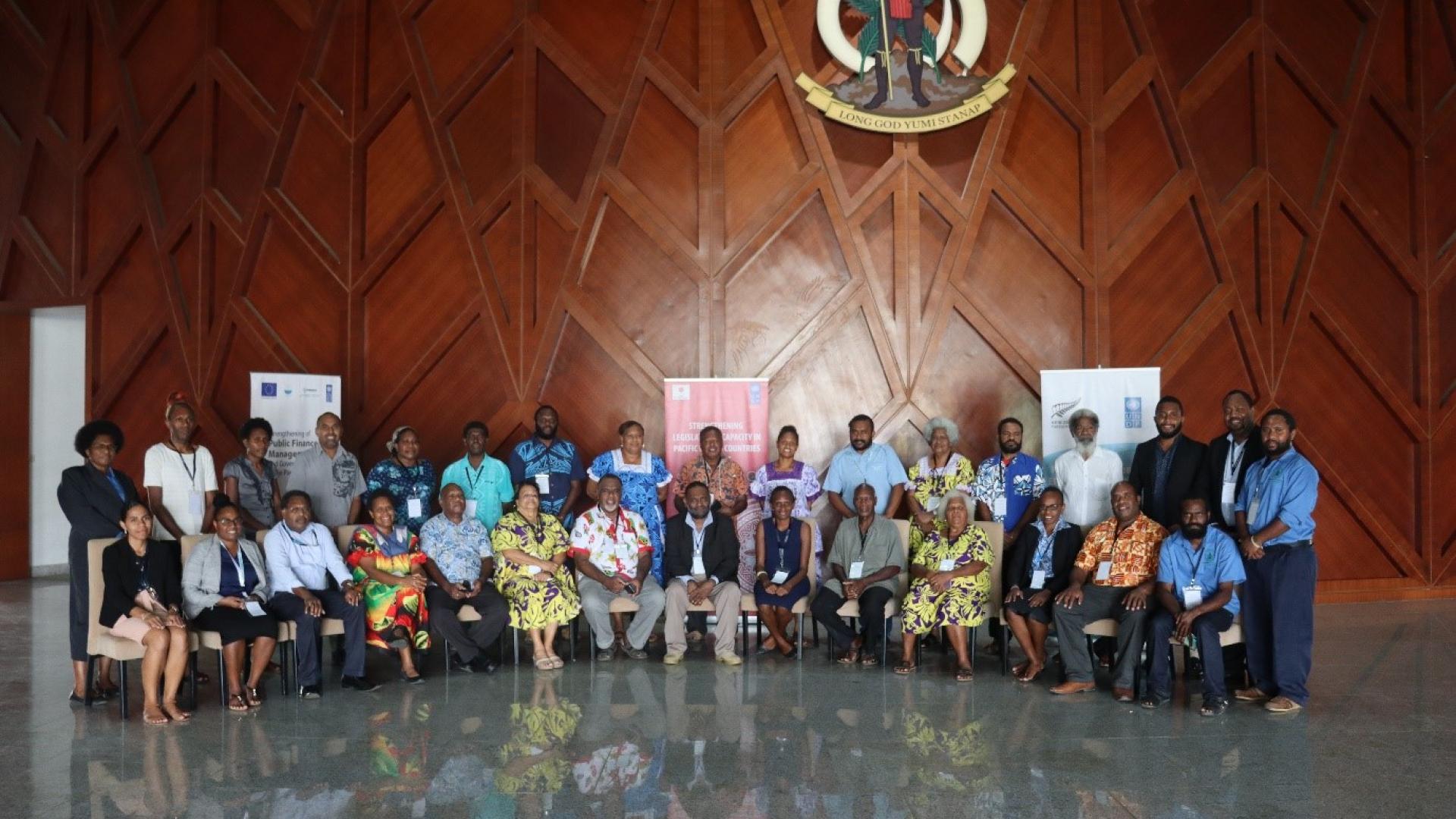
In recent years, NGOs have become essential players in the development landscape of Pacific nations, particularly in Vanuatu. The work of the ngo vanuatu vanuatu nonprofit organization encapsulates the efforts undertaken to address pressing social, economic, and environmental issues faced by the island nation. Vanuatu, known for its stunning landscapes and vibrant culture, is also a country challenged by natural disasters, climate change, and socio-economic development issues. Consequently, the role of NGOs in Vanuatu is not only significant but also multifaceted, addressing various needs and priorities of the local population.
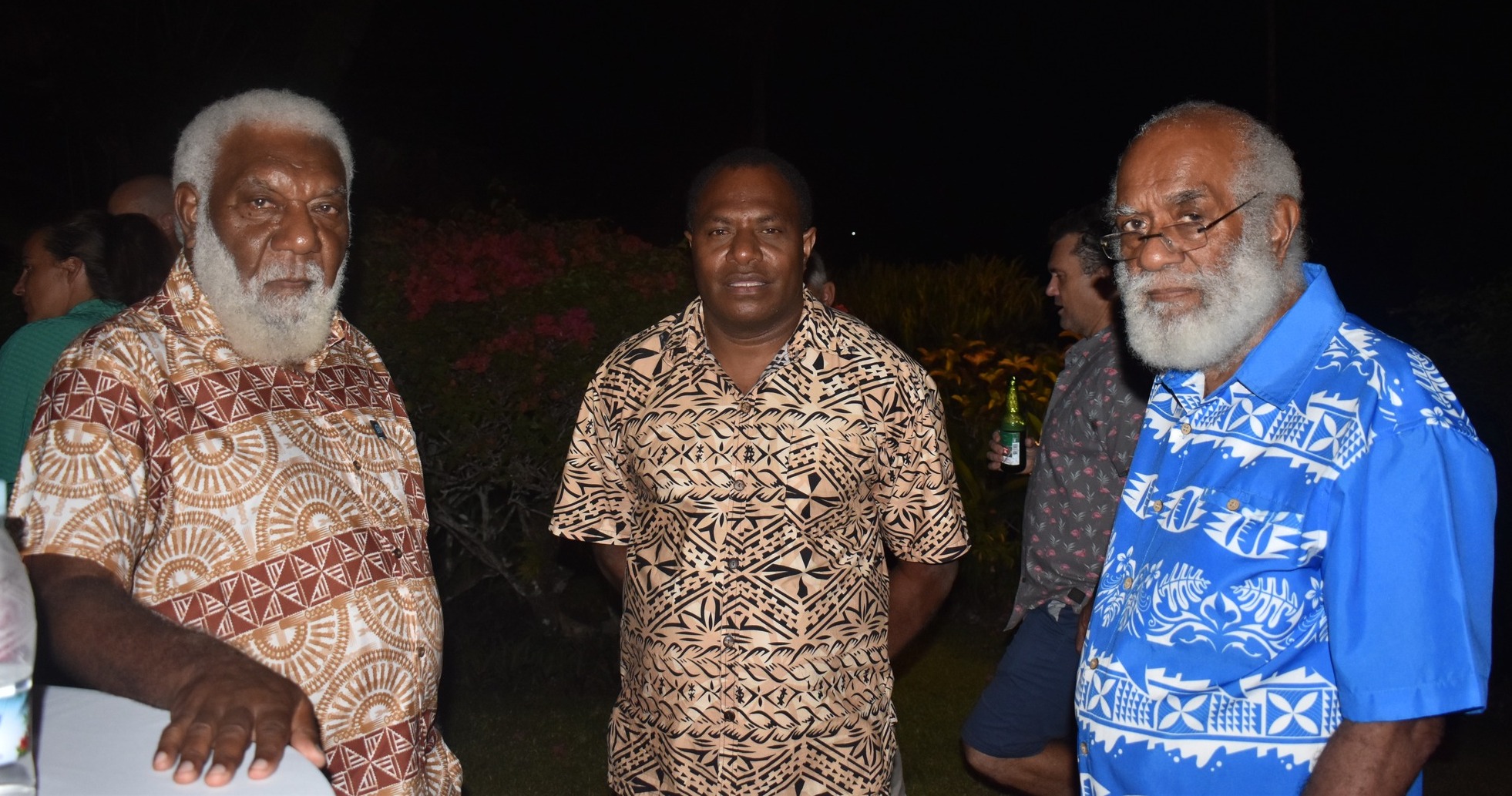
The Landscape of NGOs in Vanuatu
Vanuatu is home to a diverse range of NGOs operating within different sectors. These organizations range from small community-based groups focused on local issues to larger international NGOs providing humanitarian aid and development support. Each NGO has a unique mission, but collectively, they work towards improving the lives of the inhabitants of Vanuatu.
One of the critical areas where NGOs have been impactful is in disaster response and climate resilience. Vanuatu is located in the Pacific Ring of Fire and is prone to cyclones, earthquakes, and volcanic eruptions. Organizations like the Vanuatu Red Cross and the Vanuatu Society for Prevention of Cruelty to Animals have been instrumental in providing immediate assistance during and after disasters, helping communities rebuild and recover.
Community Development and Empowerment
Community development is a vital component of many NGOs’ work in Vanuatu. These organizations often engage in capacity building, training, and education initiatives aimed at empowering local communities. For instance, various initiatives focus on women’s empowerment, promoting gender equality, and enhancing women’s participation in decision-making processes.
In rural areas, NGOs often provide skills training to improve livelihoods through sustainable agriculture, fishing practices, and eco-tourism programs. Such initiatives not only help communities become more self-reliant but also contribute to the overall economic development of the region.
Partnerships with local communities are crucial for the success of these programs. NGOs often collaborate with community leaders and members to ensure that initiatives are culturally relevant and address the specific needs of the population. This participatory approach fosters a sense of ownership among community members, increasing the likelihood of long-term sustainability of projects.
Environmental Conservation Efforts
The pristine environment of Vanuatu, which attracts tourists from all over the world, is under threat due to climate change and unsustainable practices. NGOs play a pivotal role in environmental conservation efforts through advocacy, education, and on-the-ground projects. Many NGOs focus on reforestation, marine conservation, and the promotion of sustainable land use practices.
Organizations like the Vanuatu Environmental Science Society work on educating communities about the importance of biodiversity and sustainable environmental practices. These efforts are vital, as they help mitigate the impacts of climate change, preserve natural resources, and protect the unique ecosystems of Vanuatu.
Additionally, NGOs are influential in advocating for policy changes that benefit the environment. They engage with government bodies to promote sustainable development policies and practices, ensuring that the voices of local communities are heard in decision-making processes that affect their livelihoods and the environment.
Challenges Faced by NGOs in Vanuatu
Despite their crucial roles, NGOs in Vanuatu encounter numerous challenges that hinder their effectiveness. One significant issue is funding. Many organizations rely heavily on external funding from international donors, which can be unpredictable. This dependency can limit their ability to plan long-term projects and create sustainable solutions.
Additionally, logistical challenges in reaching remote areas can impede the delivery of services. Vanuatu consists of over 80 islands, and transporting goods and personnel can be costly and time-consuming. This geographic barrier often causes delays in project implementation, especially in emergency response situations.
Moreover, with a small population and limited resources, there can be competition among NGOs for funding and support, which can sometimes lead to fragmentation in efforts and initiatives. Effective coordination among NGOs, government agencies, and community groups is essential to avoid duplication of efforts and ensure that resources are utilized efficiently.
The Future of NGOs in Vanuatu
Looking ahead, the future of NGOs in Vanuatu will likely involve increased collaboration and integration with government and private sectors. By working together, these entities can create more comprehensive approaches to addressing the challenges that the country faces. The role of technology will also continue to grow, with NGOs utilizing digital platforms for outreach, education, and fundraising efforts.
As climate change remains a pervasive threat, environmental sustainability will undoubtedly remain a priority for many NGOs. Innovative solutions to combat climate impacts, preserve biodiversity, and promote sustainable development practices will be essential as Vanuatu navigates the implications of a changing climate.
Furthermore, fostering local leadership and strengthening capacity within communities will be crucial to ensure that NGO efforts have a lasting impact. Empowering community members to take charge of their development will drive meaningful change and resilience in Vanuatu.
Conclusion
In conclusion, NGOs play a vital role in shaping the socio-economic landscape of Vanuatu, addressing critical issues ranging from disaster response to environmental conservation and community empowerment. The challenges these organizations face are significant, but their contributions are indispensable for the progress and sustainability of the nation. By enhancing collaboration, addressing funding challenges, and investing in community capacity building, NGOs can continue to positively influence the future of Vanuatu and its people. As they adapt to the evolving needs of the communities they serve, NGOs will remain a fundamental part of Vanuatu’s journey toward a more sustainable and equitable future.
Comments are closed